Are Australian Shepherds Easy to Train? Temperament and Trainability FAQ
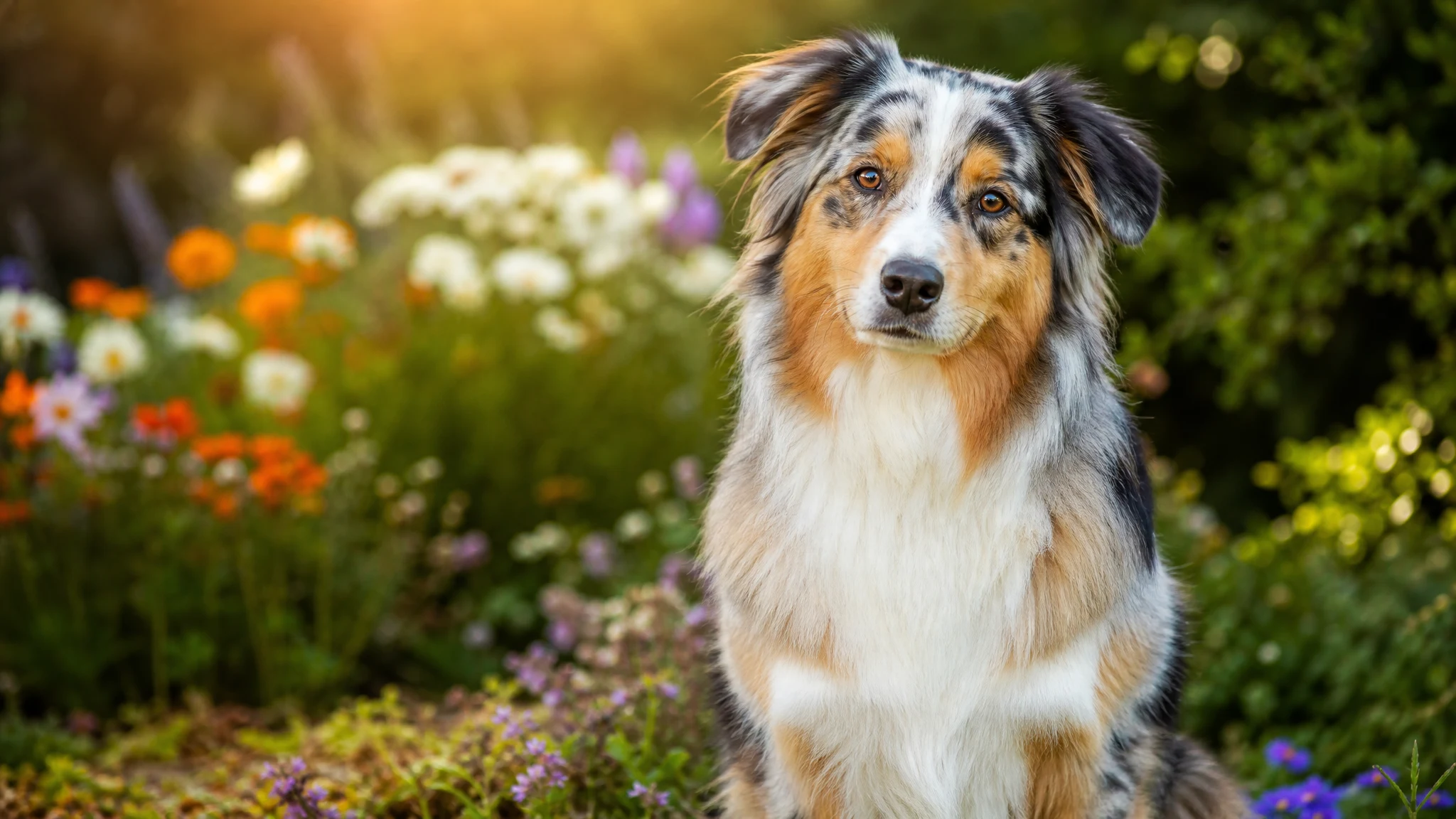
General training information. Every dog is an individual; for health or behavior concerns, see your veterinarian.
Aussies have a reputation for brains, and the reputation is mostly earned. But a quick learner is not the same as an easy dog. Below are straight answers to the questions owners ask most about Australian Shepherd trainability, temperament and what daily life with one is like.
Individual dogs vary, so treat these as a starting point. Where a number or breed trait comes from a source, we name it.
Trainability and Intelligence
Are Australian Shepherds easy to train?
Often, yes, with a caveat. The United States Australian Shepherd Association (USASA), the breed's parent club, describes the Aussie as easily trained and easily housebroken, being intelligent and eager to please. The caveat is that a smart dog learns your bad habits as fast as your good ones, so consistency matters.
Are Australian Shepherds smart?
The USASA breed standard lists intelligent as part of the breed's temperament. That fits the breed's job as a versatile farm and ranch dog that works stock. Intelligence shows up as quick learning and problem solving, but also as boredom when nothing interesting is going on.
What does Australian Shepherd trainability look like day to day?
Most owners see a dog that picks up new cues in a few repetitions and watches closely for what comes next. It also means the dog notices when rules change. Clear cues, steady rewards and short sessions work better than long drills.
Is an easy-to-train dog the same as an easy dog?
No. The USASA names high activity and exercise needs among the breed's challenges. A dog can learn sit in five minutes and still be hard to live with if its energy and mind go unused.
What training methods suit this breed?
Reward-based training, in line with the American Veterinary Society of Animal Behavior (AVSAB). Use food, play and praise to show the dog what you want. Harsh corrections tend to damage trust, and the breed standard treats shyness, fear and aggression as faults, which is a good reason to keep training upbeat.
Temperament
What is the Australian Shepherd temperament?
The USASA breed standard describes an intelligent, active dog with an even disposition. It calls the breed good natured and seldom quarrelsome. Those words describe the ideal, and any single dog may differ.
Are Aussies friendly with strangers?
The USASA breed standard says the breed may be somewhat reserved at first meeting. That is different from fearful or aggressive. Plan on gentle, positive introductions rather than expecting every Aussie to greet every guest like a long-lost friend.
Are Australian Shepherds good with children and other dogs?
We do not have a reliable source rating for this, so check the American Kennel Club (AKC) breed page and talk with the breeder or a rescue group about the specific dog. Whatever the breed, supervise young children and teach them to leave a dog alone when it is eating or resting. Early, well-managed socialization helps.
Do Australian Shepherds bark a lot?
We have no sourced barking rating to give you. Check the AKC breed page, and ask the breeder about the parents. Teaching a quiet cue and meeting the dog's exercise needs go a long way for any bark-prone dog.
Are Aussies protective?
The USASA notes the breed can be highly territorial and protective of its owners' possessions. That can show up as guarding toys, food or space. Trade-based training and early practice with sharing help, and a trainer who uses reward-based methods can help if guarding starts.
Herding Instinct and Exercise
How much exercise does an Australian Shepherd need?
A lot. The USASA says the breed is very active and needs a great deal of daily exercise to avoid boredom or frustration. It does not give an exact number of minutes, so watch your dog: a settled, relaxed dog at home is a good sign.
Does the herding instinct make training harder?
It can. The USASA's buyer checklist tells buyers to discuss the herding instinct with the breeder, which shows how seriously the club takes it. Expect an interest in moving things, and teach a solid recall and a calm "leave it" early.
What jobs and sports do Aussies do?
The USASA lists farm and ranch stock work, seeing-eye dogs, utility dogs for the physically handicapped and sled dogs in northern areas. It also says USASA runs AKC sanctioned competitive events. Check the USASA and AKC sites for the current event list.
What happens when an Aussie's needs are not met?
The USASA names unmet needs as a frequent reason Aussies are surrendered to rescue groups. Boredom and frustration can turn into chewing, nipping at heels or nonstop pestering. Daily exercise plus thinking games is the best prevention.
Who the Breed Suits
Are Australian Shepherds good for first-time owners?
They can be, if you are active and ready to train every day. Their eagerness to please helps a beginner. The exercise demands and herding drive can overwhelm someone who wants a low-effort pet.
Who is a good match for an Aussie?
People who want a training partner and enjoy daily outings, games or dog sports. The breed's history as a working farm and ranch dog explains why. If your schedule is packed or you are away most of the day, think hard first.
How big do Australian Shepherds get?
The USASA breed standard gives males as 20 to 23 inches tall and females as 18 to 21 inches. The USASA says males weigh about 50 to 65 pounds and females about 40 to 55 pounds. That is a medium-sized dog with plenty of strength for a leash that pulls.
Do Aussies shed, and how long do they live?
We do not have sourced figures for shedding or lifespan. Check the AKC breed page, and ask your veterinarian what to expect for an individual dog.
Puppies and Common Myths
When should I start training an Aussie puppy?
Right away, in small, happy steps. The USASA buyer checklist asks that a breeder keep a puppy with its littermates until at least 8 weeks of age and that the puppy be well socialized. After that, build on it with gentle exposure to new people, places and sounds. Our complete guide to training an Australian Shepherd walks through the steps.
Myth: a smart dog trains itself.
Not true. Intelligence gives you a head start, but the dog still needs clear teaching and practice. Without it, a clever Aussie invents its own games, and you may not like the rules.
Myth: a tired Aussie is a trained Aussie.
Exercise helps, but it does not replace teaching. A dog can be worn out and still not know what to do when the doorbell rings. Pair daily activity with training for manners, recall and settling.
Should I worry about health when choosing or training a dog?
Health questions belong with your veterinarian. The USASA Health and Genetics Program lists hip and elbow evaluation through the Orthopedic Foundation for Animals (OFA) and an eye evaluation by a certified veterinary ophthalmologist as mandatory for CHIC. Ask any breeder to show you the results for the parents.